



The United Nations at a Crossroads
Reform or Irrelevance in the Face of Great Power Conflict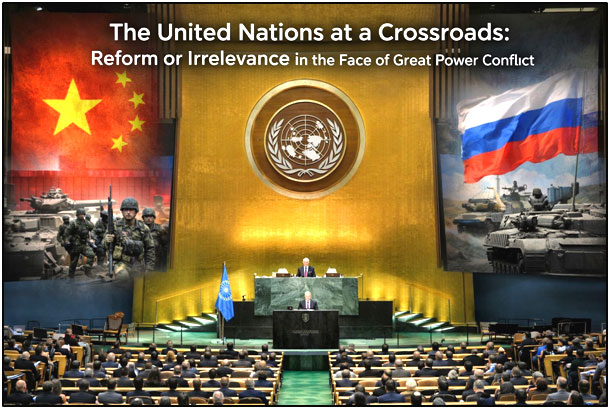
Author : CA A. K. Jain
The escalating confrontation between the United States and Iran has once again exposed an uncomfortable truth about the United Nations: when major powers edge toward direct or proxy conflict, the institution created to preserve global peace appears hesitant, constrained, and structurally paralysed. Founded in 1945 with the solemn pledge to “save succeeding generations from the scourge of war,” the UN was envisioned as the central pillar of collective security. Yet history repeatedly demonstrates that when geopolitical tensions involve permanent members of the United Nations Security Council - or their strategic allies - decisive action becomes elusive. Diplomacy is overshadowed by strategic calculation, and the veto power shifts from a stabilizing safeguard to an instrument of political insulation. The present crisis is not merely about military manoeuvring in West Asia. It is a test of multilateral credibility. When global energy supplies hang in the balance, when international shipping lanes face disruption, and when fragile economies brace for inflationary shocks, the absence of firm and unified UN intervention signals something deeper than procedural delay - it signals institutional limitation.
At the heart of this dysfunction lies the architecture of the Security Council itself. Its power structure mirrors the geopolitical realities of 1945, not the dynamic, multipolar world of 2026. Five nations retain permanent membership and unilateral veto authority - a privilege that allows any one of them to block substantive action regardless of broader international consensus. When the interests of powerful states are implicated, enforcement mechanisms effectively evaporate. This structural imbalance generates three profound consequences. First, it undermines legitimacy. Emerging powers with significant demographic, economic, and diplomatic weight - including India, Brazil, Germany, Japan, and the nations of the African continent - remain excluded from permanent decision-making authority. Representation without structural influence weakens faith in the system. Second, it erodes accountability. The veto allows paralysis without consequence, even in situations involving active military confrontation or severe humanitarian distress. A single negative vote can override global consensus, diluting the very principle of collective security. Third, it weakens deterrence. When potential aggressors recognize that decisive global response can be blocked by one political calculation, the credibility of international enforcement diminishes. Collective security becomes conditional rather than dependable.
Yet to argue that the United Nations should be dismantled would be strategically reckless. Imperfect as it is, the UN remains the only universal diplomatic forum where every sovereign nation possesses formal representation. Its agencies coordinate humanitarian relief, refugee protection, peacekeeping missions, health initiatives, and development frameworks. Removing it would not eliminate conflict - it would eliminate the only structured mechanism for managing it multilaterally.
The rational path forward is not dissolution, but urgent and substantive reform. Security Council expansion is no longer a matter of prestige; it is a matter of democratic legitimacy. Permanent membership must reflect contemporary geopolitical and economic realities. Nations that contribute substantially to global peacekeeping, economic stability, and development financing deserve structural inclusion. Equally critical is veto reform. While total abolition may be politically unrealistic, calibrated constraints are possible. The use of veto could be restricted in cases involving active military escalation, maritime security threats affecting global trade, or large-scale humanitarian crises. Alternatively, requiring more than one permanent member to exercise a veto jointly could prevent unilateral obstruction and encourage negotiation. Institutional innovation is equally essential. Automatic early mediation mechanisms should activate when major powers approach open confrontation, ensuring that de-escalation efforts are procedural obligations rather than voluntary political gestures. Transparency must also be strengthened. If a veto blocks action during a crisis, its justification should be formally recorded and subjected to open debate before the General Assembly. Power exercised without explanation corrodes trust.
The Iran–United States confrontation is therefore not merely a regional flashpoint; it is a stress test for multilateral governance itself. If the United Nations cannot adapt to contemporary power distributions, it risks drifting from substantive relevance to ceremonial symbolism. The world does not need fewer international institutions - it needs stronger, fairer, and more representative ones. Reform is politically difficult, but institutional irrelevance is far more dangerous. The choice before the United Nations is stark: evolve to reflect a multipolar world, or gradually cede authority to power blocs and unilateral strategies.
History will determine whether this moment becomes a catalyst for structural transformation - or another missed opportunity in the long chronicle of deferred reform.
................................................................................................
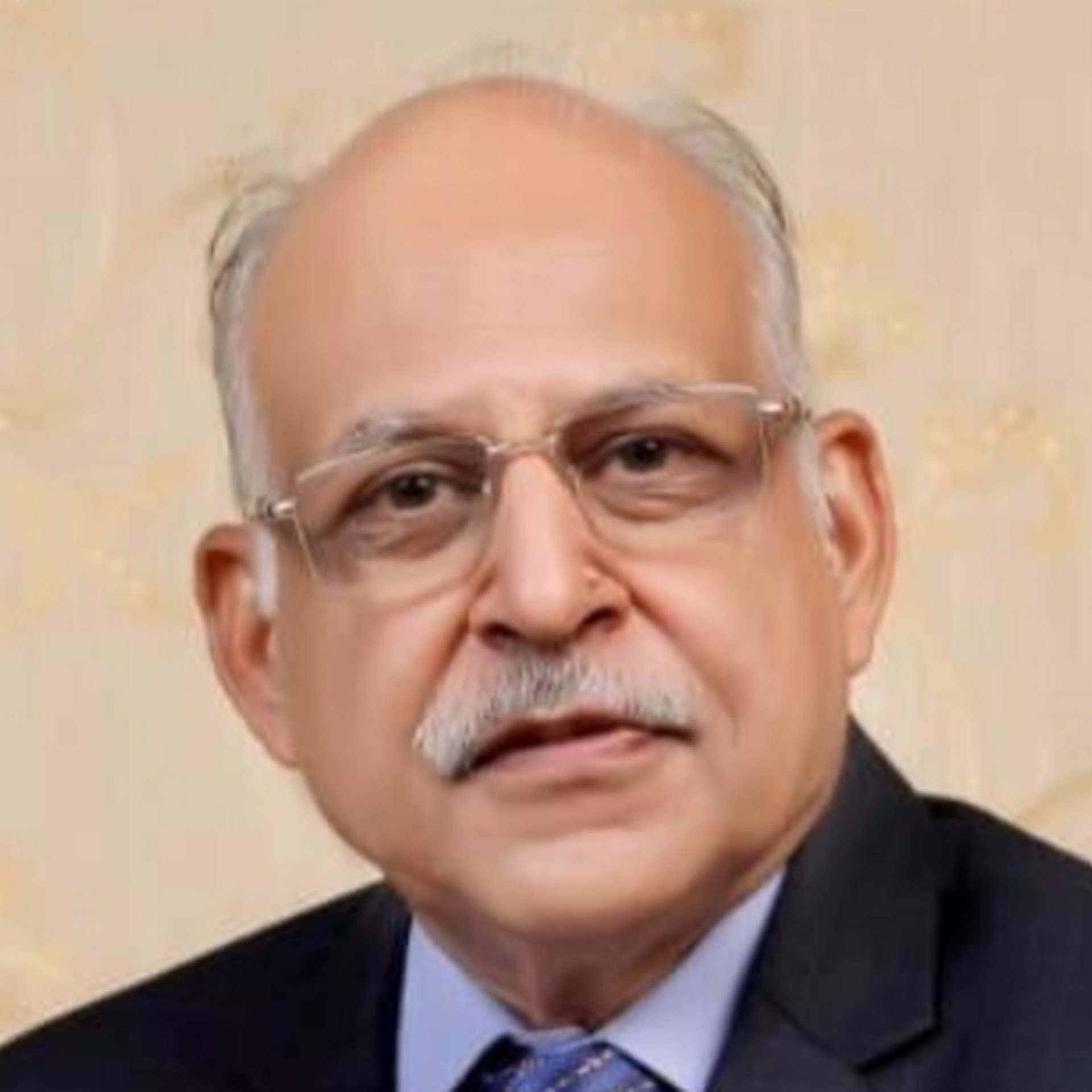
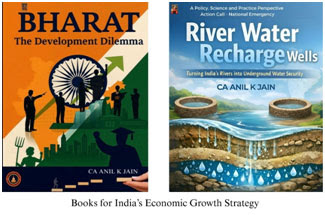
Author of this article, C.A. Anil K. Jain( caindia@hotmail.com ) is a highly acclaimed Chartered Accountant with over four decades of professional experience. He is widely recognized for his expertise in financial and asset planning, taxation, international investments, and business growth strategies. Beyond advisory work. He actively contributes to national economic discourse through policy representations to the Government of India, frequent appearances on television and radio, and extensive writing. He is also the author of the acclaimed books Bharat: The Development Dilemma and River Water Recharge Wells, reflecting his commitment to India’s economic development and sustainable water solutions.
-----------------------------------------------------
Mail to : Ahimsa Foundation
www.jainsamaj.org
R180326
