


By: CA Anil K Jain ( caindia@hotmail.com )
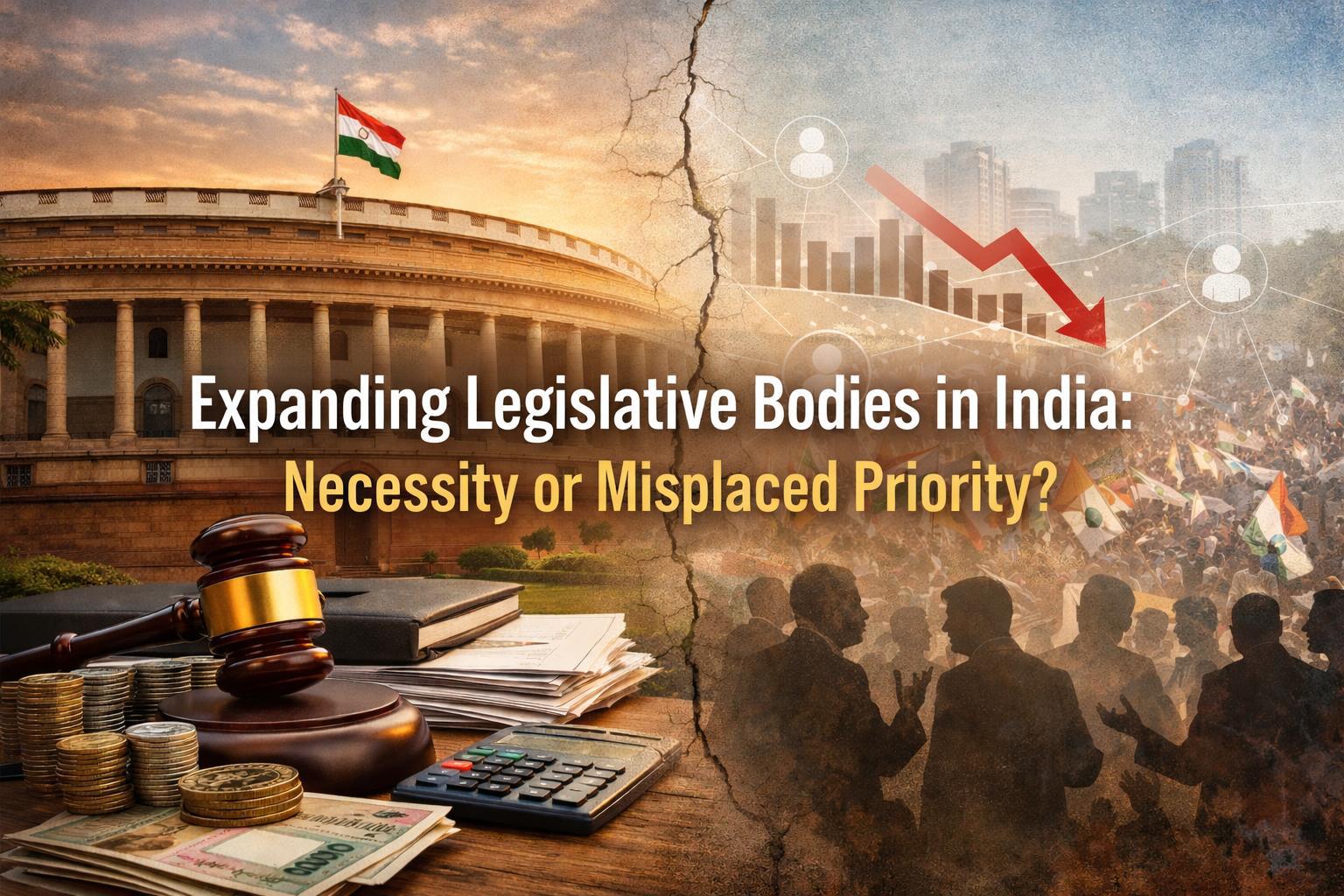
A fundamental question confronts India’s democratic discourse today: Why is there a growing demand to expand the size of the Lok Sabha, Rajya Sabha, and State Legislative Assemblies?
Is the current strength of elected representatives insufficient to meet the needs of governance in the world’s largest democracy, or does this proposal risk increasing costs without delivering proportional public benefit?
This issue is not merely administrative—it touches the core of democratic accountability, fiscal prudence, and the quality of governance.
The structure and composition of India’s legislatures are clearly defined within the Constitution:
To ensure fair representation, the Constitution mandates periodic delimitation— the redrawing of constituency boundaries based on census data.
However, through constitutional amendments—particularly:
Delimitation has effectively been frozen until 2026, primarily to encourage population control measures and avoid penalising states that successfully reduced population growth. As India approaches the post-2026 period, the question of expanding legislative seats has re-emerged with renewed urgency.
Proponents of expansion argue:
India’s population has increased significantly since the last delimitation exercise. Constituencies today often represent millions of citizens, potentially diluting effective representation.
Larger legislatures could, in theory, allow more localised and diverse voices to be heard.
Expanding seats may strengthen participatory democracy by bringing governance closer to the people.
While these arguments carry theoretical merit, they must be weighed against practical realities.
1. Escalating Fiscal Burden
Each additional elected representative entails:
In a country where public resources are scarce and developmental needs are vast, expanding legislatures could significantly increase recurring expenditure without guaranteed returns.
A critical concern is not merely the number of representatives, but their effectiveness.
There is a widespread perception that:
Increasing numbers without addressing performance metrics may simply multiply inefficiency.
There exists a growing public sentiment that political systems, across ideologies, are increasingly focused on:
Expanding legislative bodies, in this view, risks becoming a structural expansion of political power rather than democratic empowerment.
A deeper and more troubling concern is the perceived reluctance of political structures to foster:
An informed and empowered population is more likely to:
If political incentives are misaligned, expansion of representation may not translate into genuine empowerment.
Larger legislative bodies may lead to:
Effective governance depends not on size, but on clarity, efficiency, and accountability.
The central question is not whether India needs more representatives, but whether it needs better governance.
Democracy is strengthened by:
Without reforms in these areas, numerical expansion risks becoming symbolic rather than substantive.
Over decades, governance challenges have contributed to:
This environment fosters:
A true democracy requires not just elected representatives, but engaged and empowered citizens.
As India approaches the next phase of delimitation post-2026, the debate must move beyond numbers.
The essential questions are:
If the answer to these questions is uncertain, then expansion risks becoming an expensive exercise without substantive democratic gain.
India does not merely need more representatives—it needs more responsible governance, stronger institutions, and a more empowered citizenry.
Only then can the promise of democracy be truly realized.
_________________________________________________
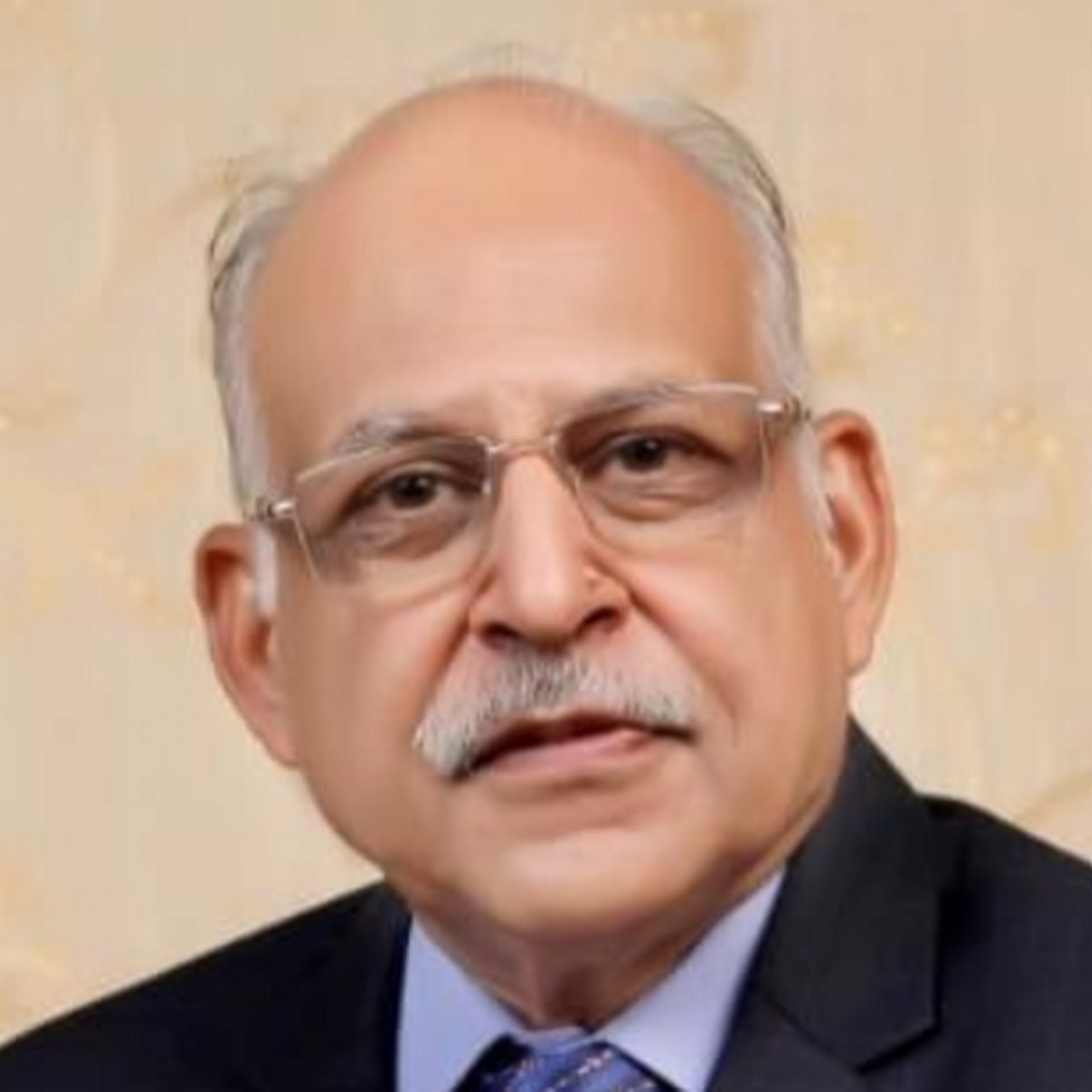
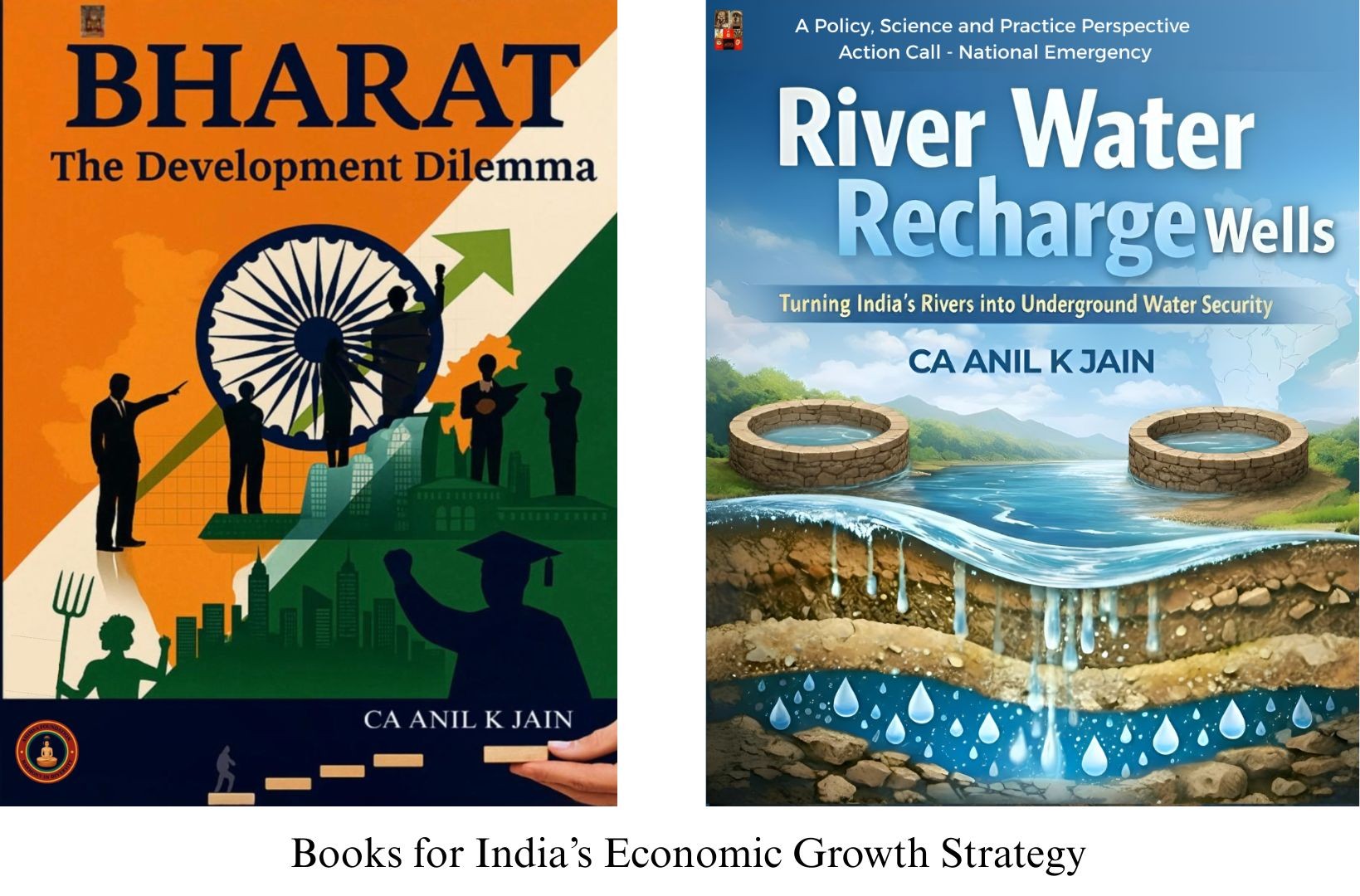
Author of this article, C.A. Anil K. Jain ( caindia@hotmail.com ), is a highly acclaimed Chartered Accountant with over four decades of professional experience. He is widely recognised for his expertise in financial and asset planning, taxation, international investments, and business growth strategies. Beyond advisory work. He actively contributes to national economic discourse through policy representations to the Government of India, frequent appearances on television and radio, and extensive writing. He is also the author of the acclaimed books Bharat: The Development Dilemma and River Water Recharge Wells, reflecting his commitment to India’s economic development and sustainable water solutions.