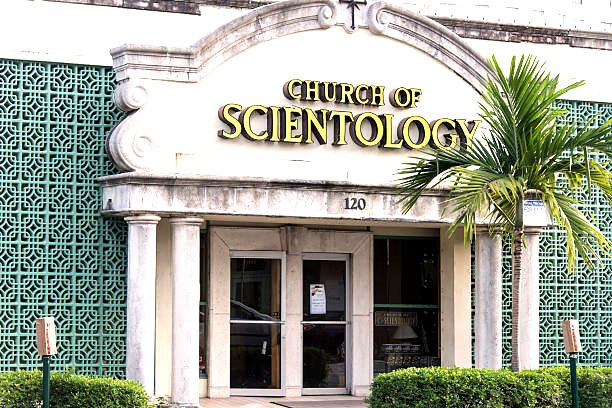
Scientology : Controversial Science of the Soul
By CA A. K. Jain
Introduction
Scientology is one of the most intriguing and debated modern religions in the world. Founded in the 20th century, Scientology presents itself as both a religion and an applied philosophy aimed at improving the spiritual well-being of individuals through structured counseling, known as auditing, and self-discovery techniques.
With its celebrity followers, science-fiction-like origins, and allegations of secrecy and controversy, Scientology commands global attention. However, to its followers, it is a path to spiritual freedom, self-empowerment, and enlightenment.
Origin and History
Scientology was founded by American author L. Ron Hubbard in 1954. It evolved from his earlier work Dianetics: The Modern Science of Mental Health (published in 1950), which introduced the concept that people can rid themselves of trauma (called engrams) stored in the subconscious mind.
After facing resistance from the psychological and medical community, Hubbard restructured his ideas into a religious framework, thus giving birth to the Church of Scientology in Los Angeles, California.
Key Dates :
• 1950 : Dianetics published.
• 1954 : Church of Scientology established.
• 1960s-70s : Worldwide expansion and establishment of organizations.
• 1986 : L. Ron Hubbard passes away; David Miscavige becomes ecclesiastical leader.
Philosophy and Core Beliefs
Scientology teaches that humans are essentially spiritual beings called Thetans, who have forgotten their true nature and are trapped in physical bodies.
Core Concepts :
• The Thetan : An immortal spiritual entity; essentially the true self.
• Dianetics : A self-help system that purges the mind of engrams—mental images of past trauma.
• Auditing : A one-on-one counseling session using a device called an E-meter to detect engrams and help individuals "clear" them.
• Bridge to Total Freedom : A structured path toward spiritual enlightenment and higher states of being.
Scientologists believe that through training and auditing, one can reach the state of “Clear” and eventually attain Operating Thetan (OT) levels, unlocking powers and insights far beyond the physical realm.
Religious Leaders
| Name |
Role |
Contribution |
| L. Ron Hubbard |
Founder |
Wrote foundational texts and created the organizational structure. |
| David Miscavige |
Current Leader |
Leads the Church globally since 1986; known for administrative consolidation and expansion. |
While Hubbard is revered, Scientology emphasizes self-reliance, with each practitioner expected to walk their own path through structured courses and auditing.
Sacred Texts and Literature
Scientology boasts an extensive body of literature, much of it written by L. Ron Hubbard :
• Dianetics (1950)
• The Scientology Handbook
• The Way to Happiness (moral guidebook)
• Hundreds of lectures, courses, and policy letters
These texts outline not just religious philosophy but also ethics, communication, education, and leadership principles.
Rituals and Practices
Scientology does not follow traditional religious rituals like prayer or communal worship. Instead, its practices are more structured and therapeutic in nature :
|
Practice
|
Description
|
| Auditing |
Core spiritual counseling using E-meter to identify and erase engrams. |
| Training Routines (TRs) |
Communication exercises to increase awareness and control. |
| Ethics and Conditions |
Written codes to assess and improve personal conduct. |
| Purification Rundown |
A detox program involving vitamins, saunas, and exercise to cleanse the body. |
These are performed at Scientology churches or missions, and participants progress through various levels of understanding and freedom.
Festivals and Celebrations
While not known for elaborate religious holidays, Scientology does commemorate certain key dates :
| Event |
Date |
Significance |
| L. Ron Hubbard’s Birthday |
March 13 |
Celebrated by all major churches with events and ceremonies. |
| Auditor’s Day |
Second Sunday in September |
Honors Scientology auditors. |
| Anniversary of Dianetics |
May 9 |
Marks the publication of Dianetics in 1950. |
| International Events |
Held in Clearwater, Florida, and other global centers. |
These events involve gatherings, awards, musical performances, and speeches by church leaders.
Places of Worship and Centers
Scientology centers are called Churches, Missions, and Orgs. These are found in major cities across the globe.
| Name |
Location |
Significance |
| Flag Land Base |
Clearwater, Florida |
The spiritual headquarters of Scientology. |
| Celebrity Centre International |
Los Angeles, USA |
Focused on artists and public figures. |
| Advanced Organizations |
Europe, Australia, South Africa |
Offer higher-level training. |
These centers offer auditing, training, counseling, and community activities.
Followers and Global Reach
The Church of Scientology claims millions of members worldwide, but independent estimates suggest :
|
Region
|
Estimated Practitioners
|
| United States |
~25,000-55,000 |
| Europe |
~15,000 |
| Australia, Africa, Asia |
~10,000 combined |
| Worldwide Total |
Estimated 50,000-100,000 active members |
Scientology has official recognition as a religion in countries like the United States and South Africa, but faces legal and social challenges in Germany, France, and parts of Latin America.
Celebrity Followers
Scientology is well known for its celebrity membership, which helps drive public interest:
• Tom Cruise (actor)
• John Travolta (actor)
• Kirstie Alley (actress)
• Elisabeth Moss (actress)
The Celebrity Centre in Los Angeles is specifically aimed at nurturing artists within the faith.
Controversies and Criticism
Scientology has faced intense scrutiny over the decades :
• Allegations of mind control, secrecy, and harassment
• Aggressive litigation against critics and defectors
• High financial costs associated with auditing and advanced training
• Investigations into labor practices and human rights issues
• Disconnection policy : Members are often asked to cut ties with “suppressive persons” (critics of the church)
Documentaries (Going Clear), memoirs, and former member testimonies have painted a stark picture, though the Church staunchly denies all accusations.
Positive Contributions and Social Outreach
Scientology supports several humanitarian efforts through affiliated organizations :
• Narconon - drug rehabilitation
• Applied Scholastics - education and literacy programs
• Volunteer Ministers - disaster relief and spiritual support
• The Way to Happiness Foundation - moral education through a secular booklet
These programs reflect the Church’s emphasis on self-help, moral guidance, and social improvement.
Conclusion
Scientology is a modern, complex, and controversial religion, blending psychology, science fiction, metaphysics, and self-help into a structured belief system. While it promises freedom and enlightenment to its followers, it remains the subject of intense global scrutiny and debate.
For its adherents, Scientology offers a path to spiritual empowerment, personal clarity, and self-mastery. For critics, it raises questions about power, secrecy, and religious freedom. Regardless of perspective, Scientology has become a defining feature of the 20th and 21st century religious landscape.
-----------------------------------------------------
Author : CA A. K. Jain
Cell : +91 98 100 46108
-----------------------------------------------------
Mail to : Ahimsa Foundation
www.jainsamaj.org
R26052025