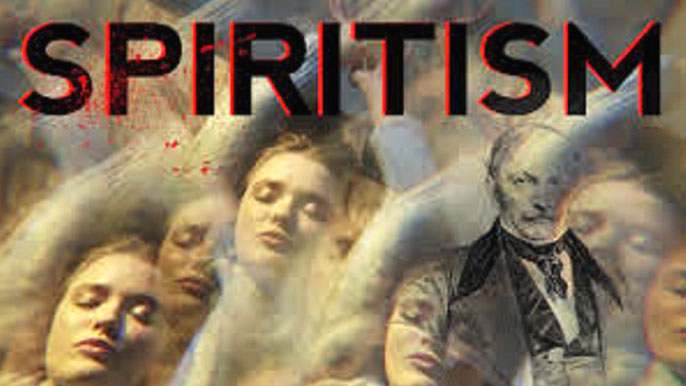
Spiritism and Animism
By CA A. K. Jain
1. Origins
|
Aspect
|
Spiritism
|
Animism
|
|
Origin
|
Mid-19th century France by Allan Kardec
|
Prehistoric spiritual belief system
|
|
Philosophy Base
|
Codified doctrine through spirit communication
|
Natural belief that spirits inhabit all things
|
|
Spread
|
Latin America (mainly Brazil), Caribbean
|
Indigenous Africa, Southeast Asia, Amazon basin
|
2. Followers & Regions
|
Region
|
Estimated Followers
|
Main Countries
|
|
Africa
|
250+ million
|
Nigeria, Ghana, DR Congo, Kenya
|
|
Latin America
|
150+ million
|
Brazil, Haiti, Cuba, Venezuela
|
|
Asia
|
100+ million
|
Indonesia, Philippines, Vietnam, India
|
|
Worldwide
|
~500+ million
|
Spread through diaspora and syncretism
|
3. Philosophy and Beliefs
Animism
• Everything (trees, rivers, animals, objects) possesses a spirit.
• Ancestral worship is common.
• Rituals ensure harmony between the spiritual and material world.
• Belief in nature spirits, tribal deities, and communication through shamans.
Spiritism (Kardecism)
• Codified by Allan Kardec (France, 1857).
• Believes in reincarnation, mediumship, spiritual evolution.
• Centers on communication with spirits for moral and philosophical guidance.
• Emphasis on charity, moral improvement, and universal fraternity.
4. Important People
|
Name
|
Contribution
|
Region
|
|
Allan Kardec
|
Founder of Spiritism, author of The Spirits’ Book
|
France / Brazil
|
|
Chico Xavier
|
Brazilian spiritist medium, wrote 400+ books
|
Brazil
|
|
Mãe Menininha do Gantois
|
Prominent Candomblé priestess (Afro-Brazilian religion)
|
Brazil
|
|
Malidoma Somé
|
Dagara elder and spiritual teacher
|
Burkina Faso
|
|
Sangomas
|
Healers in Zulu tradition
|
Southern Afric
|
5. Important Events and Festivals
|
Festival / Event
|
Description
|
Region
|
|
Festa de Iemanjá
|
Worship of the sea goddess in Afro-Brazilian religions
|
Brazil
|
|
Allan Kardec Day
|
Celebrations of Kardec's birth & works
|
Brazil, France
|
|
Ancestor Worship Day
|
Spirit offerings to ancestors
|
Vietnam, China
|
|
Day of the Dead
|
Honor ancestors through altars and offerings
|
Mexico, Latin America
|
|
Egungun Festival
|
Yoruba masquerade celebrating ancestral spirits
|
Nigeria
|
|
Obon Festival
|
Spirits of ancestors are welcomed back
|
Japan
|
6. Diaspora Influence
• Afro-Caribbean practices (e.g., Santería, Vodou, Candomblé) have merged Spiritism and Animism with Catholicism.
• In the Caribbean, African traditions survived colonization via religious syncretism.
• Brazilian Spiritism has influenced practices in the U.S., Portugal, and Europe.
• Southeast Asian animism blends with Hinduism, Buddhism, and Islam.
7. Contributions to Humanity and Communities
|
Contribution
|
Description
|
|
Cultural Preservation
|
Preserved oral traditions, myths, and local wisdom systems
|
|
Environmental Harmony
|
Promotes sustainable use of nature through spiritual respect
|
|
Mental Health & Healing
|
Community-based healing through shamans, spirit mediums, and rituals
|
|
Moral Teachings
|
Spiritist philosophies focus on charity, reincarnation, and moral evolution
|
|
Social Inclusion
|
Encourages community bonding, especially in rural and indigenous societies
|
|
Diaspora Identity Preservation
|
Maintains cultural identity of African and Amerindian descendants
|
8. Estimated Global Numbers (Approx.)
|
Category
|
Number of People
|
|
Animism (broad definition)
|
400 million+
|
|
Spiritism (Kardecist)
|
20 million+
|
|
Syncretic Afro-descendant religions
|
100 million+
|
|
Combined Global Estimate
|
600 million+
|
Syncretism
Syncretism is the blending of two or more religious or cultural traditions into a new system of belief. It often occurs where indigenous traditions meet dominant or colonial religions like Christianity, Islam, or Buddhism.
Key Syncretic Traditions and Examples
1. BR Candomblé (Brazil)
• Origins: Merges Yoruba, Fon, and Bantu animist traditions with Catholicism and Spiritism.
• How it blends:
o African orixás (deities) are associated with Catholic saints (e.g., Oxóssi = St. George).
o Spiritist practices like mediumship are incorporated.
• Practices: Music, drumming, animal sacrifice, trance possession, and ritual dance.
• Community Role: Social integration, especially among Afro-Brazilians.
2. CU Santería (Cuba)
• Roots: Yoruba religion + Catholicism.
• Features:
o Worship of orishas via Catholic saint icons.
o Offerings, altar worship, divination using cowrie shells.
o Strong links with the diaspora in the U.S., especially Florida and New York.
• Example of Syncretism:
o Changó (thunder god) = St. Barbara.
3. Haitian Vodou (Voodoo)
• Roots : West African Vodun + Taino beliefs + French Catholicism.
• Spiritism Influence : Mediumship and spirit communication.
• Practices :
o Worship of lwa (spirits), each with personalities and rituals.
o Use of Catholic saints, Holy Water, and crosses.
• Community Contribution:
o Offers protection, justice, and healing in post-colonial, impoverished contexts.
4. Dominican 21 Divisions (Las 21 Divisiones)
• Fusion of: Catholicism + Vodou + Taino + African animism.
• Spirits are categorized into three divisions : Indian, Black, and White.
• Common Practice : Invocation of saints as intermediaries of spirits (e.g., St. Michael = Ogún).
5. Folk Catholicism in the Philippines
• Indigenous Animism + Spanish Catholicism.
• Examples :
o Worship of anitos (ancestral spirits) continues alongside saints.
o Albularyos (healers) use both herbal remedies and Christian prayers.
o Festivities like Pahiyas and Ati-Atihan show this blend vividly.
6. Vietnamese ĐạoMẫu& Spirit Worship
• Blend of : Native animism + Buddhism + Taoism + Confucianism.
• Practices :
o Worship of mother goddesses and mediums (called “thanhđồng”) in elaborate spirit possession rituals (Lênđồng).
• Contribution : Encourages female empowerment, cultural continuity.
7. Kejawèn in Java (Indonesia)
• Fusion of : Javanese animism + Hinduism + Buddhism + Islam (Sufism).
• Core Belief : Harmony with nature and ancestral spirits.
• Practices : Meditation, shadow puppetry (Wayang), fasting.
• Social Role : Community cohesion, conflict mediation.
8. Folk Hinduism and Tribal Animism (India)
• Adivasi communities maintain animist rituals while integrating Hindu gods.
• Example :
o Sarnaism (Jharkhand)-sacred groves worshiped alongside Hindu festivals.
o Gond and Bhil tribes worship spirits and ancestors alongside Lord Shiva or Krishna.
• Rituals include animal sacrifice, drumming, and dance during festivals like Karma or Sarhul.
Impact of Syncretism on Community and Humanity
|
Area of Impact
|
Contribution
|
|
Cultural Survival
|
Preserved indigenous identities despite colonial suppression.
|
|
Spiritual Empowerment
|
Enabled communities to retain agency in religious expression.
|
|
Healing Systems
|
Blended medicinal knowledge with spiritual rituals.
|
|
Social Unity
|
Fostered unity across ethnic and racial divides.
|
|
Diaspora Identity
|
Gave continuity to displaced African and indigenous populations.
|
Future Trends in Spiritism and Animism
The future of Spiritism and Animism, especially in syncretic and indigenous contexts across Africa, Latin America, and parts of Asia, is evolving in interesting and dynamic ways. Despite globalization, modernization, and religious homogenization, these belief systems are not declining-but rather adapting. Here's a detailed analysis of future trends:
1. Global Revitalization and Cultural Reclaiming
• Indigenous and African diaspora communities are increasingly reclaiming their spiritual heritage.
• Revival movements (e.g., Afro-Brazilian pride, Pan-African spirituality, Native American ceremonies) are making these practices more visible and respected.
• Academic interest and UNESCO heritage designations (e.g., Ifá divination, Obon festival) are reinforcing legitimacy.
Trend : “Cultural resilience” will continue to inspire younger generations to learn, document, and practice ancestral traditions.
2. Digitization and Online Communities
• Social media, podcasts, YouTube, and TikTok are democratizing access to knowledge on animism and spiritism.
• Spiritist teachings (like those of Allan Kardec or Chico Xavier) and African ancestral rituals are increasingly discussed in online forums.
Trend : Creation of digital shrines, online rituals, and global learning circles for spiritual knowledge exchange.
3. Fusion with Wellness and Ecospiritual Movements
• Animist and spiritist ideas of balance with nature, ancestral healing, and energetic harmony resonate with:
o Yoga communities
o Meditation circles
o Psychedelic and plant medicine advocates
• Shamanism is blending with modern psychology, holistic healing, and trauma therapy.
Trend : Emergence of neo-animist spiritualities integrated into mental wellness, ecofeminism, and climate ethics.
4. Environmental and Ecological Advocacy
• Animist worldviews promote respect for forests, rivers, animals, and ecosystems-aligning naturally with climate change movements.
• Indigenous rituals are being seen not as superstition, but as spiritual ecology.
• Environmentalists are engaging tribal elders and animist shamans as guardians of biodiversity.
Trend : Animist spirituality will influence sustainability models, forest protection, and regenerative development.
5. Academic and Interfaith Integration
• Growing recognition in comparative religion, anthropology, and ecopsychology fields.
• Interfaith platforms are now inviting shamans, spiritists, and animist elders.
• There’s a push for decolonizing religion by acknowledging indigenous spiritualities in universities and spiritual conferences.
Trend : Inclusion in world religion syllabi, interfaith dialogues, and museum exhibitions.
6. Youth-Led Spiritual Revivals
• In Latin America and Africa, youth are reviving ancestral practices in defiance of urban alienation and cultural loss.
• Cultural festivals, music (Afrobeat, Reggaeton, Tribal fusion), and fashion now incorporate spiritual symbolism.
Trend : Rituals, symbols, and ancestral aesthetics will thrive through music, tattoos, street art, and fashion.
7. Legal Recognition and Rights Movements
• Indigenous groups are lobbying for legal protection of spiritual lands, burial rites, and sacred groves.
• Some governments (e.g., Ecuador, Bolivia, India) have recognized Mother Earth or sacred rivers as legal persons.
Trend : Rise in spiritual sovereignty movements advocating for animist and spiritist rights in law and policy.
Summary Table of Future Trends
|
Trend Area
|
Impact on Spiritism & Animism
|
|
Cultural Reclaiming
|
Stronger indigenous identity, pride, and practice
|
|
Digital Platforms
|
Wider global access, youth participation
|
|
Health & Wellness Integration
|
Fusion with meditation, energy healing, trauma therapy
|
|
Ecospiritual Advocacy
|
Role in climate resilience and conservation ethics
|
|
Academic and Interfaith Inclusion
|
Mainstreaming in research and global faith forums
|
|
Youth Cultural Revivals
|
Creative expression through music, art, and storytelling
|
|
Legal and Policy Recognition
|
Protection of sacred sites and spiritual customs
|
Summary
Spiritism and Animism, though often distinct, are united in their reverence for the spiritual world. Whether through formal spiritist doctrine or indigenous rituals, these belief systems have influenced billions and contributed profoundly to community well-being, cultural identity, and spiritual understanding. They survive colonial repression, resist cultural erasure, and continue to evolve in diaspora communities across the globe.
Syncretism in Spiritism and Animism is a testament to the resilience and adaptability of traditional belief systems. Despite centuries of colonial pressure, these communities creatively merged elements of dominant religions without losing the essence of their original spirituality. Today, these syncretic systems not only sustain cultural identity but also serve as bridges of intercultural dialogue, resilience, and community care.
Despite centuries of marginalization, Spiritism and Animism are entering a phase of renewal and global respect. Their deep reverence for ancestry, nature, and spirit communication offers valuable ethical frameworks in our fragmented, ecological, and post-colonial age. The future belongs not to the erasure of these traditions-but to their creative reinvention and collective empowerment.
-----------------------------------------------------
Author : CA A. K. Jain
Cell : +91 98 100 46108
-----------------------------------------------------
Mail to : Ahimsa Foundation
www.jainsamaj.org
R23052025